
More and more travelers are visiting Japan, and many might not be familiar with local customs.
In Japan, being considerate of others is key, and understanding basic etiquette can make your trip smoother.
Here are four essential etiquette tips to keep in mind during your visit!
1. Public Transportation Manners
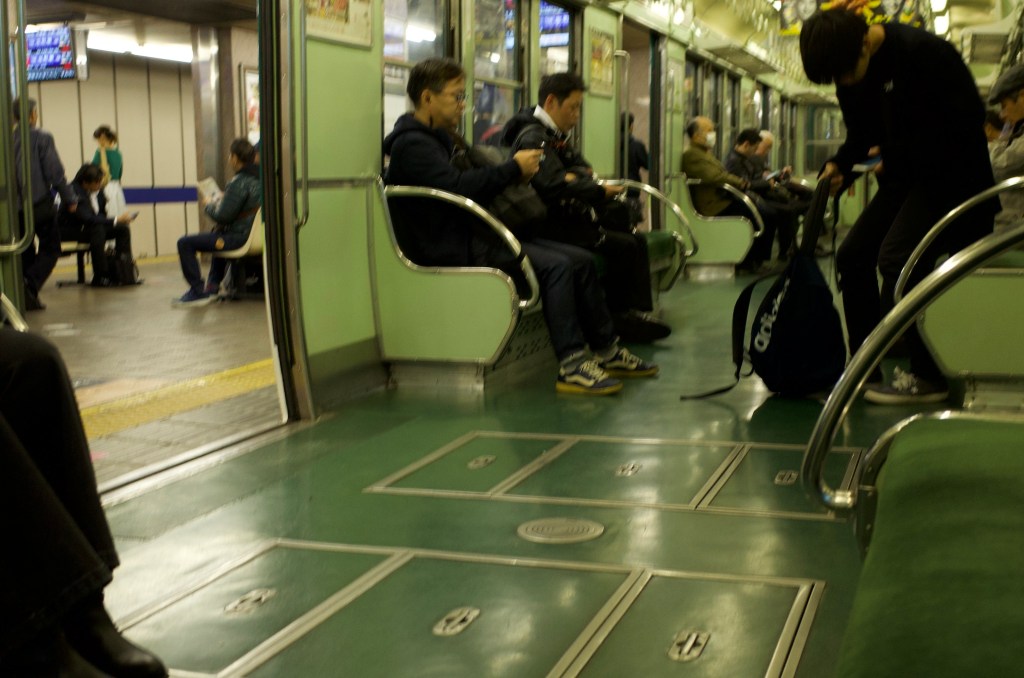
Keep It Quiet
In Japan, trains and buses are usually quiet places.
Talking on the phone is a big no-no, and even chatting loudly can be frowned upon.
Many people commute to work or school and prefer a peaceful ride.
Phone conversations tend to be louder than you think and can disturb others.
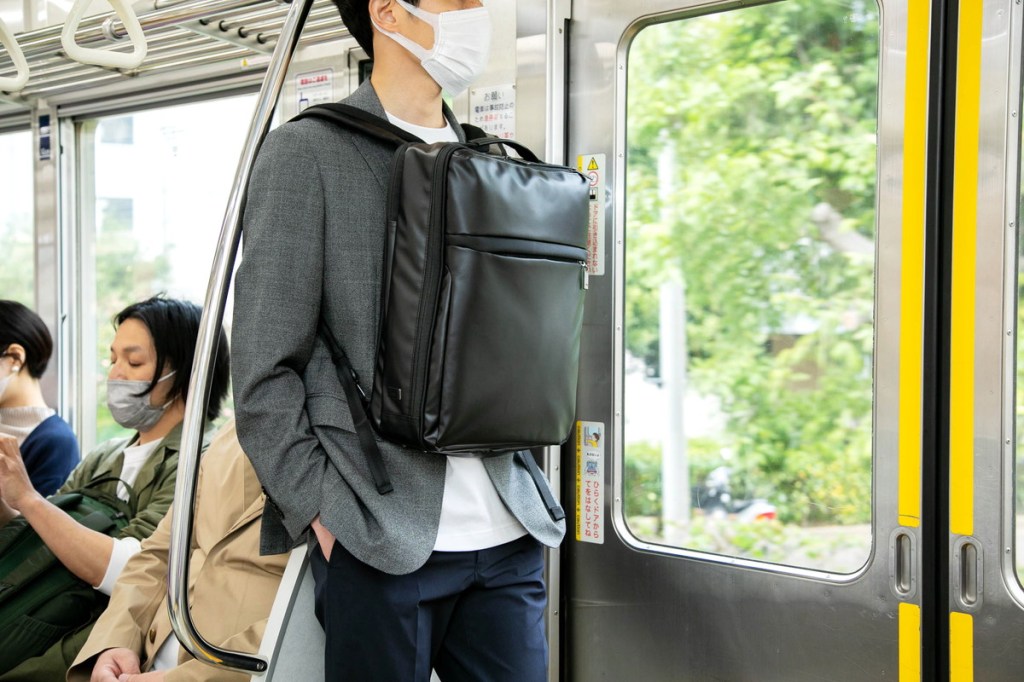
Carry Your Backpack in Front
During rush hours, trains get packed.
Keeping your backpack on your back can take up space and bump into people.
Instead, hold it in front or place it on the overhead rack.
It prevents your bag from getting in the way of others.
Helps create more space in crowded trains.
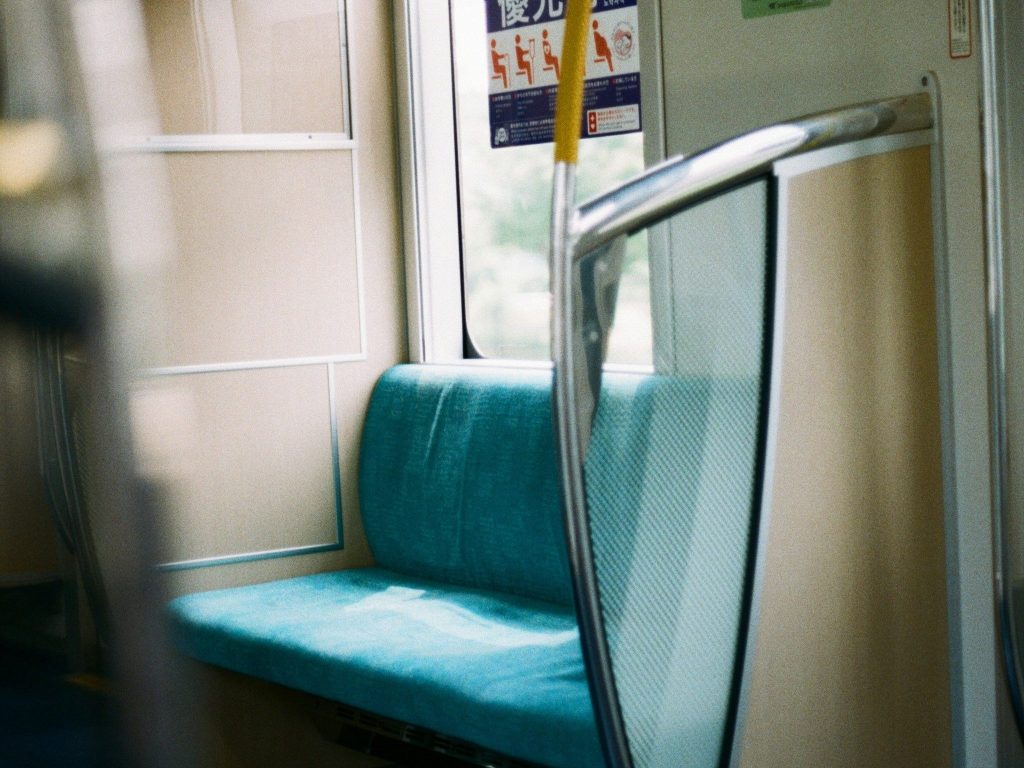
Be Mindful of Priority Seats
Most trains have priority seats for the elderly, pregnant women, and people with disabilities.
Even if they look empty, be ready to give up your seat if someone needs it.
It ensures those who really need a seat can use it.
Japan values a culture of respect and consideration for others.
2. Restaurant Etiquette
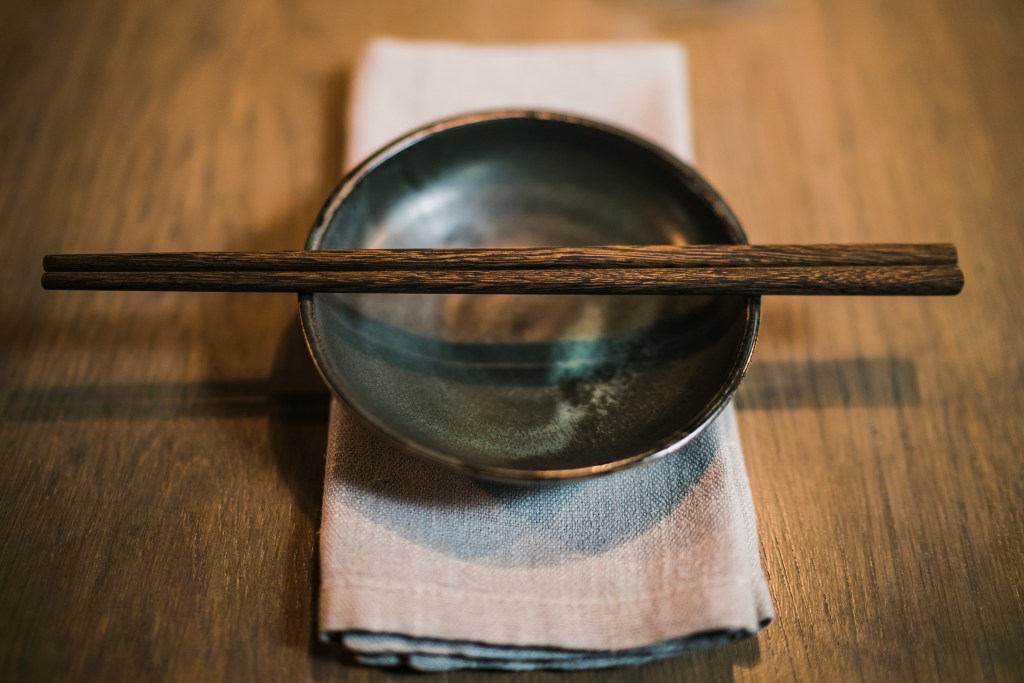
Chopstick Manners Matter
There are some unwritten rules about using chopsticks in Japan.
Never stick them upright into your food (it resembles funeral rituals),
and don’t pass food directly from one set of chopsticks to another.
It reminds people of funeral customs, which can be unsettling.
Dining etiquette is taken seriously in Japanese culture.
Keep Your Voice Down
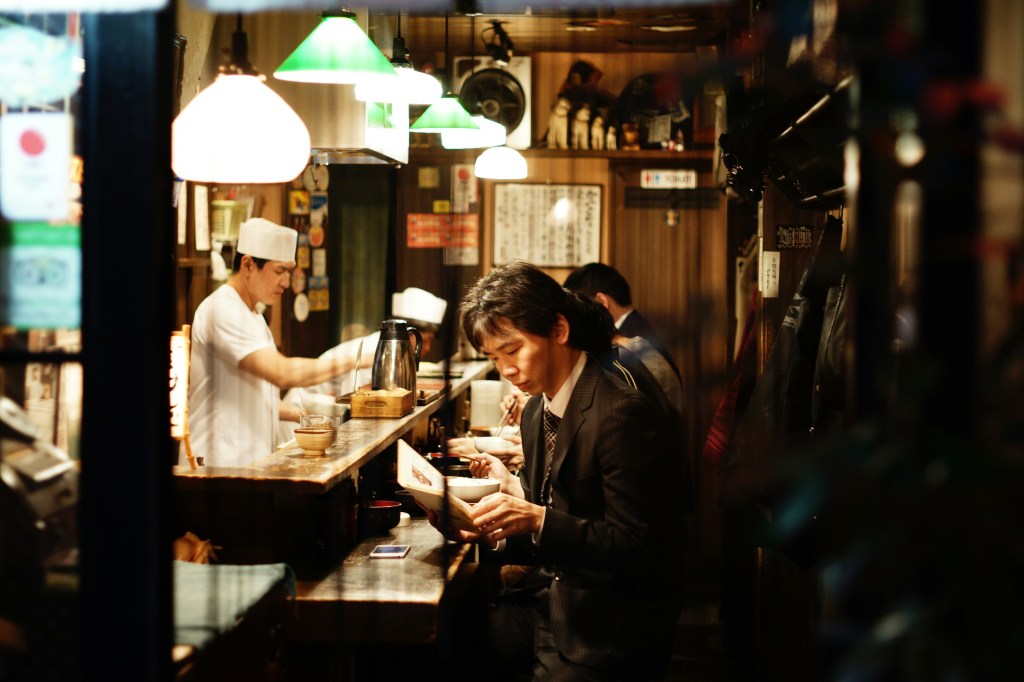
Japanese restaurants, especially high-end ones, usually have a calm atmosphere.
Loud conversations can be disruptive to others.
Japanese culture values a peaceful dining environment.
Other customers might find loud conversations distracting.
No Need for Tips
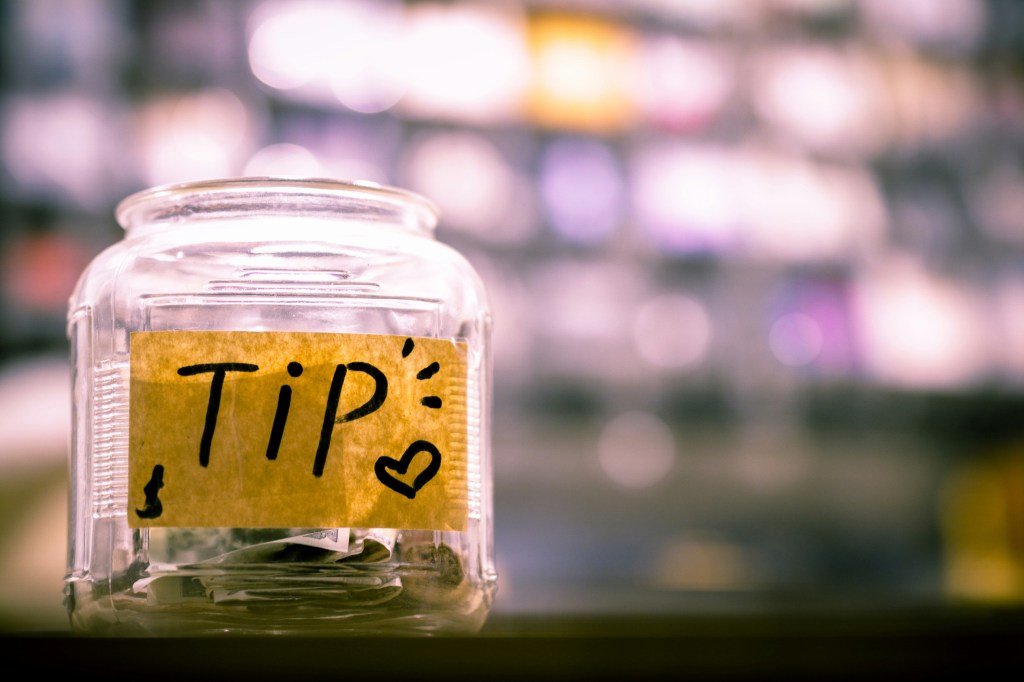
Tipping isn’t a thing in Japan. If you receive great service, a simple “thank you” is enough.
Service charges are already included in the bill.
Some staff might even refuse a tip, as it’s not part of Japanese custom.
3. Sightseeing & Temple Etiquette
Purify Your Hands at Shrines
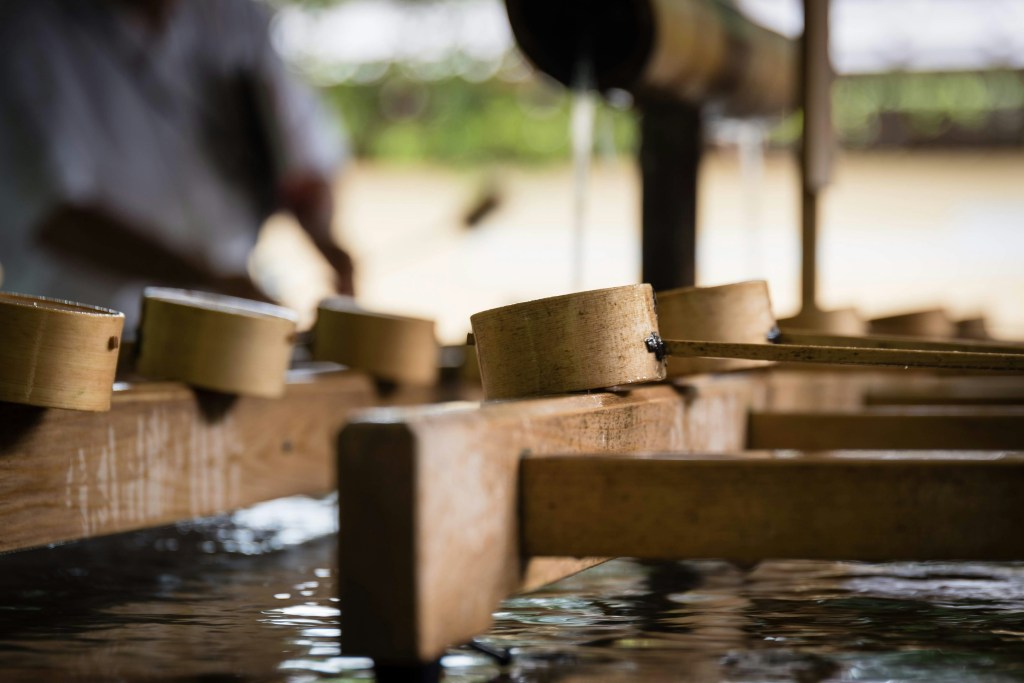
Before entering a shrine, you’ll often find a water basin called “temizuya.” Visitors traditionally rinse their hands and mouth to cleanse themselves before approaching the main shrine.
It’s a ritual to show respect before entering a sacred place.
It carries cultural and religious significance.
Follow Photography Rules
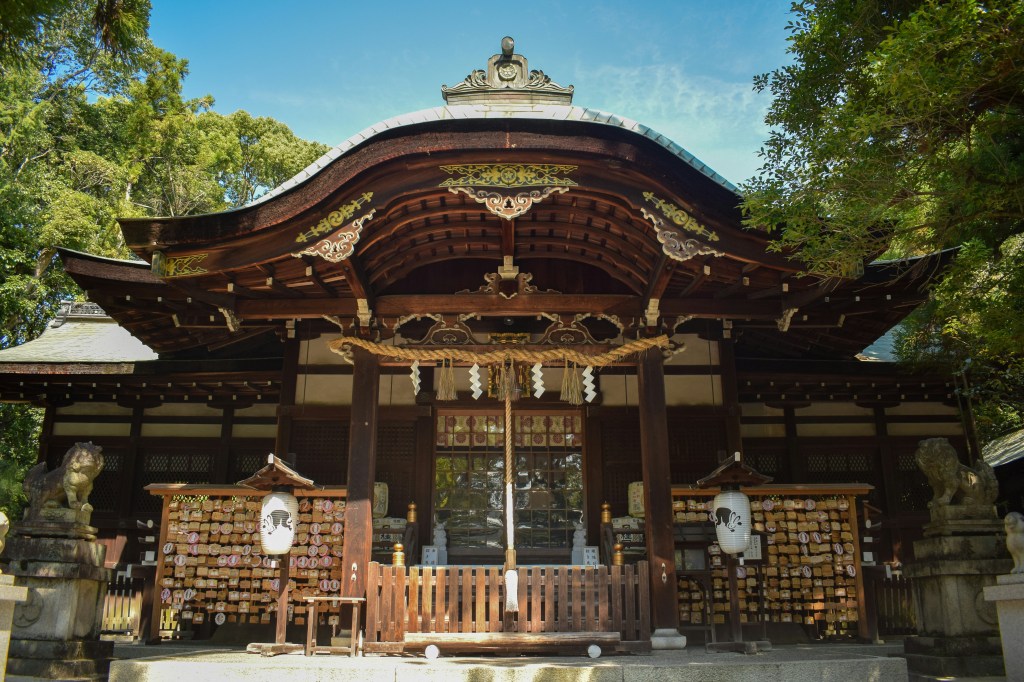
Some shrines and temples don’t allow photography, especially inside main halls. Be sure to check for signs before snapping pictures.
Certain religious sites consider photography inappropriate.
Flash photography can damage cultural artifacts over time.
Respect Restricted Areas
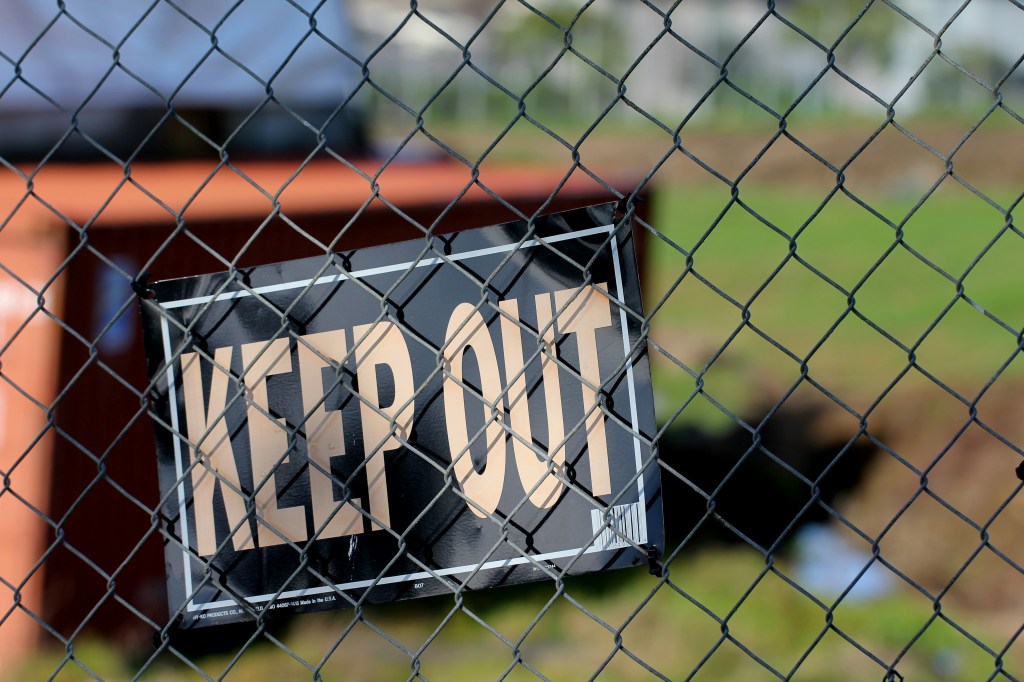
Many temples and shrines have areas that are off-limits to visitors. If you see signs or barriers, respect them and stay within allowed areas.
These restrictions help preserve cultural heritage sites.
Some areas are restricted due to religious traditions.
4. Hotel & Ryokan Manners
Know the Rules for Onsen & Public Baths
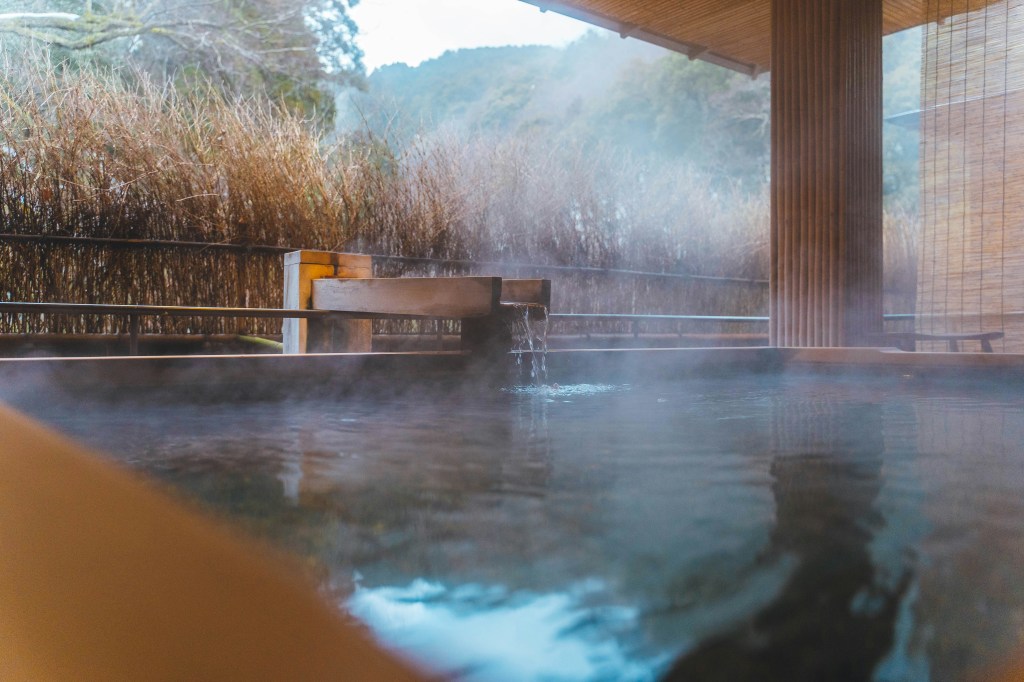
Japanese hot springs (onsen) have specific rules. Always wash your body before entering the bath, and never let your towel touch the water.
The bath is a shared space, so keeping it clean is important.
Hygiene is a major concern in public baths.
Keep the Noise Down in Your Room
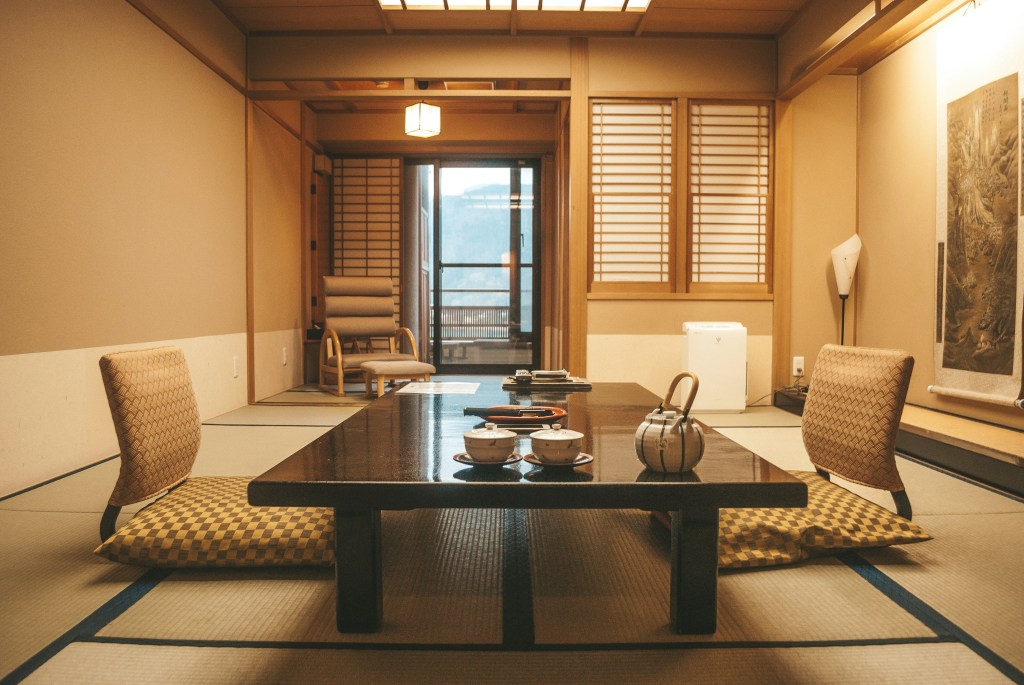
Talking loudly or playing the TV at a high volume, especially late at night, can disturb other guests.
Walls in some hotels (especially traditional ryokan) can be thin.
Japanese culture emphasizes being mindful of others, even in private spaces.
Be Considerate at Breakfast Buffets
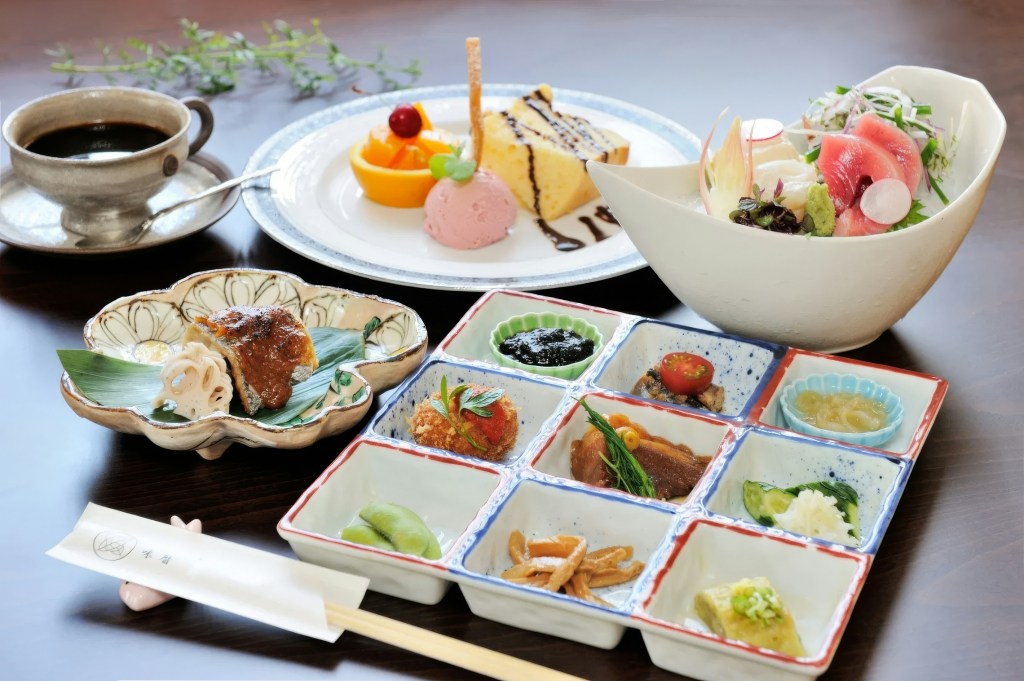
Take only what you can eat, and avoid lingering at the table when others are waiting for seats.
Wasting food is considered bad manners.
Everyone should have a chance to enjoy their meal comfortably.
Final Thoughts
The key to good manners in Japan is simply being considerate of those around you. Whether you’re on a train, dining out, visiting a temple, or staying in a hotel, a little awareness goes a long way. Follow these etiquette tips, and you’ll have an even more enjoyable and respectful experience in Japan!


 Discovery Real Japan
Leave a comment